Walter Thurmond's NFL Career: A Journey of Talent, Resilience, and Financial Realities
Walter Riley Thurmond III, born on August 12, 1987, in the vibrant city of Los Angeles, California, carved out an intriguing, albeit injury-plagued, career in the National Football League. Known for his tenacity as a cornerback, Thurmond’s professional journey spanned multiple prominent franchises, leaving fans and analysts to ponder not just his on-field impact but also his estimated financial standing. When discussing
Walter Thurmond net worth, figures vary, presenting an interesting case study in how athlete wealth is calculated and reported. This article delves into his path from high school standout to NFL competitor, exploring the highs, the challenges, and the financial legacy he built.
From West Covina to Oregon: The Formative Years of a Defensive Talent
Thurmond’s football prowess was evident early on. At West Covina High School, he showcased his versatility, playing as a wide receiver and making a significant impact. His high school career culminated in a memorable CIF Southern Section Division VII championship victory, where he earned All-CIF Southern Section honors. During this period, he recorded impressive stats, including 29 receptions for 730 yards and seven touchdowns, demonstrating the raw talent that would catch the eye of college recruiters.
His collegiate journey led him to the prestigious University of Oregon, where he joined the Ducks. After redshirting his freshman year in 2006, Thurmond quickly established himself as a key player, earning an honorable mention for the All-Pac-10 team in both 2006 and 2007. It was at Oregon that Thurmond refined his skills, eventually transitioning to the cornerback position, a move that would define his professional career.
However, his college tenure was also marked by the shadow of injuries, a theme that would unfortunately persist throughout his playing days. In the 2008 season, despite being plagued by various ailments, he still managed to record five interceptions, underscoring his playmaking ability even when not at 100%. The most significant setback came in 2009 when a severe knee injury against Cal, tearing three ligaments, prematurely ended his season. This early taste of injury adversity served as a precursor to the physical challenges he would face in the demanding NFL environment.
NFL Journey: Seahawks, Giants, and Eagles
Walter Thurmond's potential, despite his injury history, was undeniable, leading to his selection in the 2010 NFL Draft. The Seattle Seahawks picked him in the fourth round, 111th overall, a testament to his talent and the belief in his ability to contribute at the professional level. His arrival in Seattle coincided with the beginning of a golden era for the Seahawks, culminating in a Super Bowl XLVIII victory during his tenure.
Seattle Seahawks (2010-2013)
Thurmond's time with the Seahawks was a mixed bag of brilliant plays and frustrating injuries. He consistently demonstrated flashes of his high potential, showcasing speed, cover skills, and a physical style of play. However, injuries frequently interrupted his progress. In November 2011, a broken fibula and a high ankle sprain landed him on the injured reserve list, effectively sidelining him for a significant portion of the season.
Adding another layer of complexity to his Seahawks career was a four-game suspension in November 2013 for violating the NFL's substance abuse policy. This incident, while a setback, saw Thurmond return strong, playing in the team's final regular season game and contributing to their successful playoff run which culminated in their dominant Super Bowl victory. Despite the challenges, he was an integral part of one of the NFL's most feared secondaries, the "Legion of Boom," during their championship year.
New York Giants (2014)
Following his Super Bowl win, Thurmond moved to the New York Giants for the 2014 season. His one year with the Giants provided an opportunity for a fresh start and continued professional growth in a new defensive scheme. While his impact was felt, the Giants struggled collectively that season, and Thurmond sought new opportunities in free agency.
Philadelphia Eagles (2015)
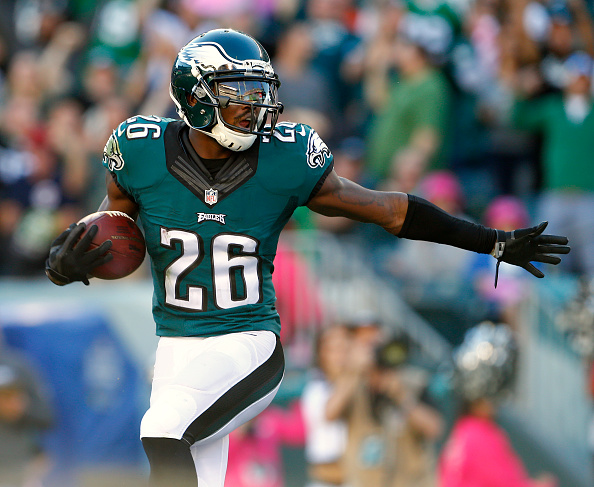
His final stop in the NFL was with the Philadelphia Eagles in 2015. With the Eagles, Thurmond enjoyed a productive season, showing his veteran savvy and experience. He started all 16 games, recording 3 interceptions and a forced fumble, proving his ability to still perform at a high level when healthy. This season showcased his resilience and determination, allowing him to end his career on a high note before ultimately deciding to step away from the game.
Navigating Adversity: Injuries and Suspension
Walter Thurmond's career serves as a stark reminder of the brutal physical demands of professional football. From torn knee ligaments in college to a broken fibula and high ankle sprain in the NFL, his body endured significant trauma. Each injury not only meant time away from the field but also the grueling process of rehabilitation, pushing the limits of physical and mental endurance.
The substance abuse policy violation in 2013 also highlighted the pressures and challenges athletes face off the field. Such incidents can significantly impact a player's standing, reputation, and earning potential. However, Thurmond's ability to return and contribute to a Super Bowl-winning team speaks volumes about his character and commitment to overcome adversity. The financial implications of injuries and suspensions are profound, directly affecting salary, contract negotiations, and career longevity. For more detailed insights into how these factors shaped his financial standing, you might find
How Injuries Shaped Walter Thurmond's Net Worth & Career to be an illuminating read.
Walter Thurmond's Net Worth: Deciphering the Figures
When we turn our attention to
Walter Thurmond net worth, we encounter a common challenge in celebrity financial reporting: varying estimates. Reputable sources often provide different figures, leading to a degree of confusion for those trying to ascertain an accurate financial picture. For Walter Thurmond, two prominent figures emerge:
* **TheRichest:** Estimates Walter Thurmond's net worth at approximately
$6 million.
* **Celebrity Net Worth:** Reports a figure closer to
$1.5 million.
This significant discrepancy raises questions about how these valuations are reached. Several factors contribute to such differences:
* **Reporting Timeframes:** Net worth estimates are often snapshots in time. One figure might be an older assessment, while another is more current.
* **Asset Inclusion:** Different methodologies may include or exclude certain assets (e.g., real estate, investments, business ventures outside of declared income).
* **Public vs. Private Information:** Much of a person's financial portfolio remains private. Estimators rely on publicly available data like NFL salaries, endorsements, and typical expenditures, which can vary wildly in accuracy.
* **Deductions and Expenditures:** Net worth is calculated as assets minus liabilities. Without full access to an individual's financial records, accurately accounting for taxes, expenses, and investments is challenging.
Given these considerations, it's plausible that both figures represent an estimated value at different points in time or using different valuation models. Regardless of the exact number, it's clear that Thurmond earned a substantial income during his NFL career, a testament to his talent and hard work. His journey underscores the importance of sound financial management for professional athletes, especially given the unpredictable nature of their careers. The ongoing mystery surrounding the precise figure of his wealth is explored further in
Walter Thurmond Net Worth: The $1.5M vs $6M Mystery.
Beyond the Field: Legacy and Financial Prudence
Walter Thurmond's NFL career, though marked by challenges, showcased a player with undeniable talent and a fighting spirit. He was known for his competitive fire and his ability to make big plays, particularly his knack for interceptions. His contributions to the Seahawks' Super Bowl XLVIII victory cement his place in franchise history.
His story offers valuable insights for aspiring athletes and those interested in sports finance:
*
The Volatility of NFL Careers: Thurmond's experience with injuries and a relatively short career (six seasons) highlights how quickly an NFL journey can be impacted.
*
Financial Planning is Crucial: With significant earnings compressed into a few years, strategic financial planning, including investments, savings, and budgeting, is paramount for long-term security.
*
Navigating Adversity: How athletes handle injuries, suspensions, and career transitions can define their post-playing success, both personally and financially.
*
Versatility and Adaptability: His ability to play different positions and adapt to new teams shows the importance of being a flexible and valuable asset in the league.
Walter Thurmond retired from the NFL after the 2015 season, choosing to prioritize his long-term health and well-being. This decision, though ending his playing career, allowed him to transition into the next phase of his life, hopefully leveraging the financial foundation he built during his time as a professional athlete.
Conclusion
Walter Thurmond's NFL career was a compelling narrative of athletic promise, significant achievements, and profound challenges. From his high school glory days to his Super Bowl ring with the Seattle Seahawks, Thurmond consistently demonstrated skill and resilience. While the precise figure of his
Walter Thurmond net worth remains a subject of varying estimates, it reflects a career where he earned substantial income through his dedication to the sport. His journey serves as a powerful reminder of the ephemeral nature of professional sports, the critical importance of overcoming adversity, and the enduring value of prudent financial planning for athletes in a high-stakes, high-reward environment.